Cycling is a sport in which the body consumes an enormous amount of energy. To maximize your performance, nutrition plays a crucial role. Both your daily diet and sports nutrition should be used strategically to provide the right fuel to your body. In this blog, we will provide (sports) nutrition advice for cyclists.
Carbohydrates: most important fuel for cyclists
Carbohydrates are the most important fuel for cyclists, whether you cycle 50 km or go on a long 150 km ride. To perform optimally, your body needs energy. Your body gets that energy mainly from glycogen, the stored form of carbohydrates in your muscles. Without sufficient glycogen, you are missing a large portion of your fuel and will quickly encounter the "man with the hammer."
Stacking carbs before an event
Carbohydrate stacking ideally starts 48 hours or earlier before a hard effort. You don't have to do this before every training run, but reserve it for key moments. For more information on carbohydrate stacking, we wrote a blog.
Fat as fuel: increasing your endurance power
In addition to carbohydrates, your body can also use fats as an energy source, especially on longer, less intense rides. Fat offers a nearly inexhaustible energy supply, which is ideal for endurance sports like cycling. At lower intensity, your body switches to fat burning, which helps you keep going longer without using up your glycogen stores quickly. Even when you are in the fat-burning zones, your body often still burns carbohydrates. If you have a Garmin and ride in zone 1 or 2, about 30-50% of your energy will come from carbohydrates and the rest from fat. The higher your heart rate, the more energy you get from carbohydrates.
You can train your body to burn fats more efficiently by doing much slower rides in zone 1 or 2. This can increase your long-term endurance. This means saving glycogen for times when you really need explosive energy, such as climbing or sprinting.
The importance of a good fat intake
While fats are important as a fuel source, be careful about eating too much fat just before or during intense rides. High-fat meals digest slowly and can make you feel heavy and sluggish during the ride. Therefore, it is better to optimize your fat intake at other times of the day, such as with your evening meal or a recovery meal after your ride.
The importance of a good breakfast
A hearty breakfast is a must for any cyclist. Make sure you have a carbohydrate-rich breakfast 2 to 3 hours before your ride or race. For example, choose our sports breakfast. You can also eat this breakfast closer to exercise, but 2 to 3 hours before exercise is most ideal.
Don't forget to drink
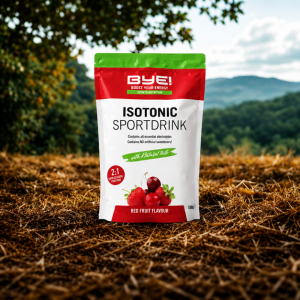
While sleeping, you lose a lot of fluid, and while cycling you lose even more. So start your ride well hydrated. Drink some water or electrolytes already during breakfast to get your fluid balance up to par. For example, you can choose to start with an isotonic sports drink during breakfast.
Nutrition while cycling: what do you need?
During intensive bike rides, not only do you lose fluids, but you also consume quite a bit of energy. Per hour you burn about 60 to 90 grams of carbohydrates and lose about a liter of fluid. You need to replenish this to maintain your performance.
Our (sports) nutrition advice for cyclists for a 50 km ride:
- Drink 500 ml of isotonic sports drink every hour.
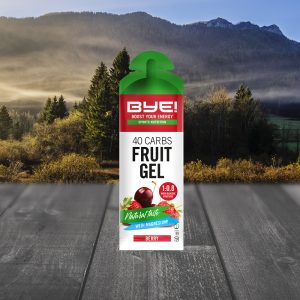
- Take a bar or gel every 40 minutes.