A full-distance, full triathlon, Ironman, a day of sports....
3.8 km swim - 180 km time trial - 42 km run.
This blog was written by pro triathlete Tim van Hemel
Let me take you through my Ironman experience on nutrition during the race.
A full day of intense exercise requires energy, energy your body gets from stored reserves and nutrition. You replenish these reserves by taking nutrition before the race, ranging from several days in advance to the race day itself. The well-known "carbohydrate loading" helps replenish these reserves well. (Also read our blog on carbohydrate stacking)
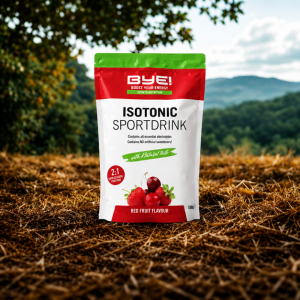
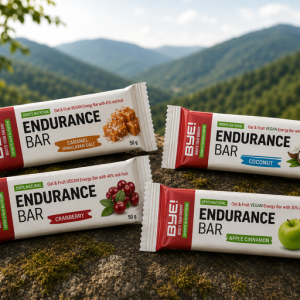
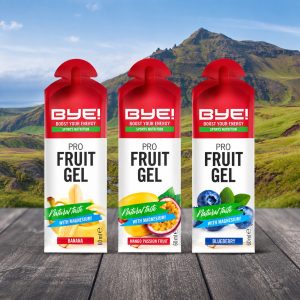
What does my intake look like on that day? Below I describe what all goes in on that day.
In the morning before the race, I eat oatmeal (150/200 grams) with skim milk and add some honey as sweetener. Optionally, I enjoy a piece of dark chocolate for flavor and motivation. A short espresso helps to get everything going. I wash this all down to the start with 750 ml of isotonic sports drink.
BYE! recently launched a great alternative with sports breakfast. This is an excellent choice for this time of day and also tastes great. I have been using this recently as well!
An hour before the start I level up my caffeine levels with 400 mg (6 mg/kg body weight) caffeine tablets, because drinking 8 cups of coffee right before the race is a bit inconvenient. Don't worry about hydration, as the diuretic effect of caffeine disappears at the start of exercise. A small snack, such as a banana or a gel, is also okay, once you feel your breakfast is well digested. After all, during the swim you have no opportunity to take in nutrition.
Don't try to make up for this "lost time" by taking extra nutrition in T1 or the first few miles on the bike.
Stay true to your plan and start taking carbohydrates on the bike. I am well trained and count on an intake of about 100 grams of carbohydrates per hour, in the form of gels, bars and drinks. Depending on weather conditions, I count on 750 ml of isotonic sports drink per hour, which amounts to 50 grams of carbohydrates. The rest I get from gels (2/3 per hour). If the course and race conditions allow, I opt for a bar instead of a gel every 2 hours. This helps keep my stomach comfortable and prevents "sloshing belly" during the run.

In addition to carbohydrates, I also take electrolytes to support muscle function, especially in warmer conditions. I count on 1/2 gram per hour. A good product for this is the magnesium electrolyte shot. To keep my caffeine levels up, starting in the third hour of the race I take 50 mg of caffeine per hour, via a gel that contains caffeine, such as the BYE isotonic gel!
Once off the bike, there is a load of new gels waiting in T2 to stuff in the back of the bags and a plan for drinks along the way.
Often eating and drinking later in the race becomes a little more difficult, but continuing to eat and drink is the key to avoiding "the man with the hammer" or the mythical "wall."
So be sure to train in advance for your nutritional intake and try not to deviate too much from your plan during the race. Also check the nutrition offered by the organization at the supply stations, should you need it (out of necessity). It is important that your body is used to it. You don't want stomach or intestinal problems during the race.
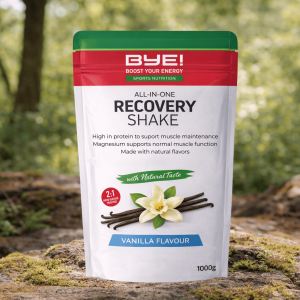
Once you cross the finish line, a good recovery shake certainly wouldn't hurt. But personally, I prefer a refreshing beer with a savory pizza slice after a day full of sweets. After all, you don't do an Ironman every week, so there is time for recovery.